Chỉ trong 3 năm, chị M. sinh tới 3 người con và đang mang bầu lần thứ 4. Thai kỳ đến tuần thứ 23, chị đi viện vì đau bụng, bàng hoàng phát hiện tim thai đã mất, thai chết lưu, chẩn đoán thiếu sắt nặng nề mà không hề biết.
Chị G.T.M, 37 tuổi quê Điện Biên, vào Bệnh viện Việt Nam – Thụy Điển Uông Bí do đau bụng khi đang mang thai lần thứ 4, thai hơn 23 tuần.
Sau khi tiến hành thăm khám, kiểm tra, bác sĩ siêu âm thai phát hiện không có tim thai. Thai gần 6 tháng trong bụng chị đã chết lưu. Kết quả xét nghiệm cho thấy chị M. còn bị thiếu máu nặng, chỉ số HgB là 51g/l.
HgB là một trong ba chỉ số dùng để chẩn đoán tình trạng thiếu máu, đó là: RBC (Red Blood Cell) cho biết số lượng hồng cầu, HCT (Hematocrite) cho biết dung tích hồng cầu và HgB (Hemoglobin) cho biết lượng huyết sắc tố. Nếu 2 trong 3 chỉ số trên thấp hơn so với bình thường, bệnh nhân được chẩn đoán là thiếu máu. Thông thường, chỉ số HgB là 125-160g/l, riêng phụ nữ có thai được coi là thiếu máu thai kỳ khi hàm lượng HgB trong máu thấp dưới 110/l.
Chị M. cho biết trước khi nhập viện chị không hề biết bản thân bị thiếu máu và nhận thấy bất thường từ thai nhi. Trước đó chị đã mang thai và sinh con 3 lần lượt vào các năm 2017, 2018, 2019.
Có nhiều nguyên nhân gây thiếu máu nhưng thường gặp nhất ở phụ nữ mang thai là thiếu máu thiếu sắt do chế độ ăn không cung cấp đủ nhu cầu; phụ nữ bị suy dinh dưỡng trước khi mang thai cũng gây thiếu máu nhiều hơn...
Trong trường hợp thiếu máu nhẹ, thai phụ có thể vẫn cảm thấy bình thường. Thiếu máu mức độ vừa và nặng, thai phụ có thể gặp các biểu hiện như cơ thể yếu và mệt mỏi nhiều; da nhợt nhạt; hồi hộp, đánh trống ngực; thở nhanh; hoa mắt chóng mặt hoặc ngất...
Phụ nữ mang thai cần thăm khám, kiểm tra sức khỏe định kỳ theo hướng dẫn của bác sĩ. Các bác sĩ khuyên thai phụ cần được xét nghiệm máu để sàng lọc thiếu máu ngay từ lần khám thai đầu tiên và ít nhất 1 lần nữa ở các lần khám thai tiếp theo. Ngoài ra, nếu lo lắng về mức độ mệt mỏi hay bất kỳ dấu hiệu nào khác, hãy đến gặp bác sỹ để được tư vấn.
BSCKII Nguyễn Thị Thu Hường, Trưởng khoa Sản thuộc Bệnh viện Việt Nam - Thuỵ Điển Uông Bí, cho biết thiếu máu trong quá trình mang thai rất nguy hiểm cho cả mẹ và thai nhi. Thai nhi có nguy cơ thiếu máu, thai chậm phát triển, chết lưu; còn mẹ có nguy cơ chảy máu, mất máu trong quá trình chuyển dạ...
Việc sinh con quá nhiều lần, khoảng cách sinh quá gần nhau như trường hợp của chị M. khiến sức khỏe của người mẹ chịu rất nhiều nguy cơ, đặc biệt là lúc chuyển dạ như đờ tử cung, băng huyết... Do đó chị em cần có biện pháp kế hoạch hoá gia đình phù hợp.
Để kiểm soát tình trạng thiếu máu thiếu sắt và thiếu vi chất dinh dưỡng, phụ nữ mang thai cần chủ động có chế độ ăn đáp ứng đủ nhu cầu năng lượng và các chất dinh dưỡng; bổ sung viên sắt và acid folic, kiểm soát tình trạng nhiễm ký sinh trùng đường ruột và sốt sét.
Một số thực phẩm giàu chất sắt bao gồm: Bột yến mạch ăn liền; ngũ cốc ăn liền, các loại đậu (đậu thận, đậu lăng, đậu nành); Các loại thịt gà, thịt bò; Rau xanh đậm màu (cải bó xôi, bông cải xanh, rau ngót, rau bí, rau đay, cần tây…);Trái cây chứa nhiều vitamin C để tăng cường khả năng hấp thụ chất sắt (cam, quýt, chanh, bưởi, dâu tây…)...
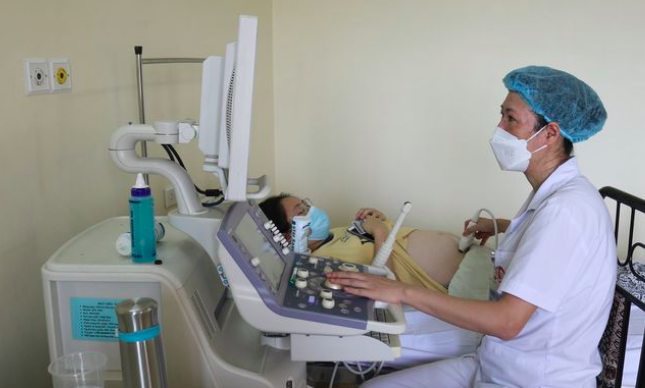
Chỉ trong 3 năm, chị M. sinh tới 3 người con và đang mang bầu lần thứ 4. Thai kỳ đến tuần thứ 23, chị đi viện vì đau bụng, bàng hoàng phát hiện tim thai đã mất, thai chết lưu, chẩn đoán thiếu sắt nặng nề mà không hề biết.
In just 3 years, Ms. M. gave birth to 3 children and was pregnant for the 4th time. At 23 weeks pregnant, she went to the hospital because of abdominal pain, shocked to find out that the fetal heart was lost, stillbirth, diagnosed. Severe iron deficiency without even knowing it.
Ms. G.T.M, 37 years old from Dien Bien, was admitted to Uong Bi Vietnam - Sweden Hospital due to abdominal pain while pregnant for the 4th time, more than 23 weeks pregnant.
After conducting the examination and examination, the fetal ultrasound doctor discovered that there was no fetal heart. Almost 6 months pregnant in her belly was stillborn. Test results showed that Ms. M. still suffered from severe anemia, her HgB index was 51g/l.
HgB is one of three indicators used to diagnose anemia: RBC (Red Blood Cell) indicates the number of red blood cells, HCT (Hematocrite) indicates the volume of red blood cells and HgB (Hemoglobin) indicates the amount of red blood cells. hemoglobin. If 2 of the 3 numbers above are lower than normal, the patient is diagnosed with anemia. Normally, the HgB index is 125-160g/l, especially pregnant women are considered gestational anemia when the HgB blood level is below 110/l.
Ms. M. said that before being admitted to the hospital, she did not know that she was anemic and noticed abnormalities from the fetus. Previously, she was pregnant and gave birth to 3 children respectively in 2017, 2018, 2019.
There are many causes of anemia, but the most common in pregnant women is iron-deficiency anemia due to inadequate dietary requirements; Women who were malnourished before pregnancy also caused more anemia...
In the case of mild anemia, a pregnant woman may still feel fine. Moderate and severe anemia, pregnant women may experience symptoms such as weakness and fatigue; pale skin; nervousness, palpitations; rapid breathing; dizziness or fainting...
Pregnant women need to have regular check-ups and health check-ups under the guidance of their doctors. Doctors advise pregnant women to have a blood test to screen for anemia at the first prenatal visit and at least one more time at subsequent prenatal visits. Also, if you're concerned about your level of fatigue or any other signs, see your doctor for advice.
BSCKII Nguyen Thi Thu Huong, Head of Obstetrics and Gynecology Department of Vietnam - Sweden Hospital Uong Bi, said that anemia during pregnancy is very dangerous for both mother and fetus. The fetus is at risk of anemia, fetal growth retardation, stillbirth; and the mother is at risk of bleeding, blood loss during labor ...
Giving birth too many times, too close to each other, as in the case of Ms. M., puts the mother's health at many risks, especially during labor such as uterine atony, haemorrhage, etc. Women need appropriate family planning measures.
To control iron deficiency anemia and micronutrient deficiency, pregnant women need to actively have a diet that meets their energy and nutrient needs; supplement iron and folic acid tablets, control intestinal parasite infection and lightning fever.
Some iron-rich foods include: Instant oatmeal; instant cereals, legumes (kidney beans, lentils, soybeans); Types of chicken, beef; Dark green vegetables (spinach, broccoli, spinach, squash, jute, celery...); Fruits rich in vitamin C to enhance iron absorption (oranges, tangerines, lemons, grapefruits). , strawberry…)...
* Nguồn



Đăng nhận xét