Từ đầu tháng 8 đến nay, số ca mắc mới đang có xu hướng tăng dần với các biến thể phụ mới của chủng Omicron (BA.4, BA.5, BA.2.75, BA.2.12.1) trung bình khoảng 2.000 ca/ngày,
Bộ Y tế vừa có văn bản chẩn chỉnh và tăng cường quản lý, điều trị ca bệnh Covid-19. Theo văn bản do Thứ trưởng Nguyễn Trường Sơn ký, đến ngày 25/8, cả nước ghi nhận 11.396.205 ca mắc với trên 10 triệu người khỏi, 43.110 ca tử vong. Từ đầu năm 2022 số ca mắc, ca nặng, nguy kịch giảm nhiều.
Tuy nhiên, từ đầu tháng 8 đến nay, số ca mắc mới đang có xu hướng tăng dần với các biến thể phụ mới của chủng Omicron (BA.4, BA.5, BA.2.75, BA.2.12.1) trung bình khoảng 2.000 ca/ngày, số ca nặng, nguy kịch gia tăng và xuất hiện các ca tử vong.
Để giảm nguy cơ chuyển nặng, hạn chế tối đa tử vong và bảo vệ các đối tượng nguy cơ, Bộ Y tế yêu cầu Giám đốc Sở Y tế các tỉnh, thành, Giám đốc các bệnh viện rà soát, đánh giá và tiếp tục đẩy mạnh triển khai một số giải pháp.
Đó là rà soát kế hoạch thu dung, điều trị người bệnh Covid-19 của tỉnh, đơn vị, có kế hoạch phân công cụ thể tới từng đơn vị số giường bệnh Covid-19 để thu dung, điều trị người bệnh có chỉ định nhập viện theo nguyên tắc 4 tại chỗ. Bố trí nhân lực để theo dõi, chăm sóc, điều trị người bệnh nhập viện để phát hiện sớm tình trạng chuyển nặng, xử trí kịp thời hạn chế tử vong.
Bộ cũng yêu cầu tăng cường hội chẩn tại bệnh viện, hội chẩn với tuyến trên để xin ý kiến về chuyên môn, hạn chế tối đa việc chuyển người bệnh lên tuyến trên. Đối với các ca bệnh vượt quá khả năng chuyên môn, khi chuyển viện phải hội chẩn, liên hệ với bệnh viện tuyến trên trước khi chuyển và bảo đảm an toàn đối với người bệnh chuyển viện.
Tại các cơ sở điều trị, tăng cường các biện pháp phòng lây nhiễm, hạn chế tối đa lây lan dịch bệnh trong bệnh viện đặc biệt tăng cường bảo vệ người bệnh thuộc nhóm có nguy cơ cao, khu hồi sức tích cực, tim mạch, thận nhân tạo, phẫu thuật…
Đối với các ca bệnh nặng, ca nghi ngờ mắc Covid-19 nằm tại các bệnh viện khuyến cáo thực hiện xét nghiệm PCR để chẩn đoán tránh bỏ sót ca bệnh để dịch bệnh lan rộng (khi kết quả xét nghiệm kháng nguyên nhanh âm tính nhưng vẫn nghi ngờ Covid-19).
Bộ cũng yêu cầu các bệnh viện tuyến tỉnh, tuyến cuối điều trị Covid-19 cần theo dõi, đánh giá lâm sàng các ca bệnh nặng nhập viện hiện nay và gửi xét nghiệm giải trình tự gen để đánh giá mức độ nặng, nguy kịch báo cáo Bộ Y tế để xem xét điều chỉnh các hướng dẫn chuyên môn.
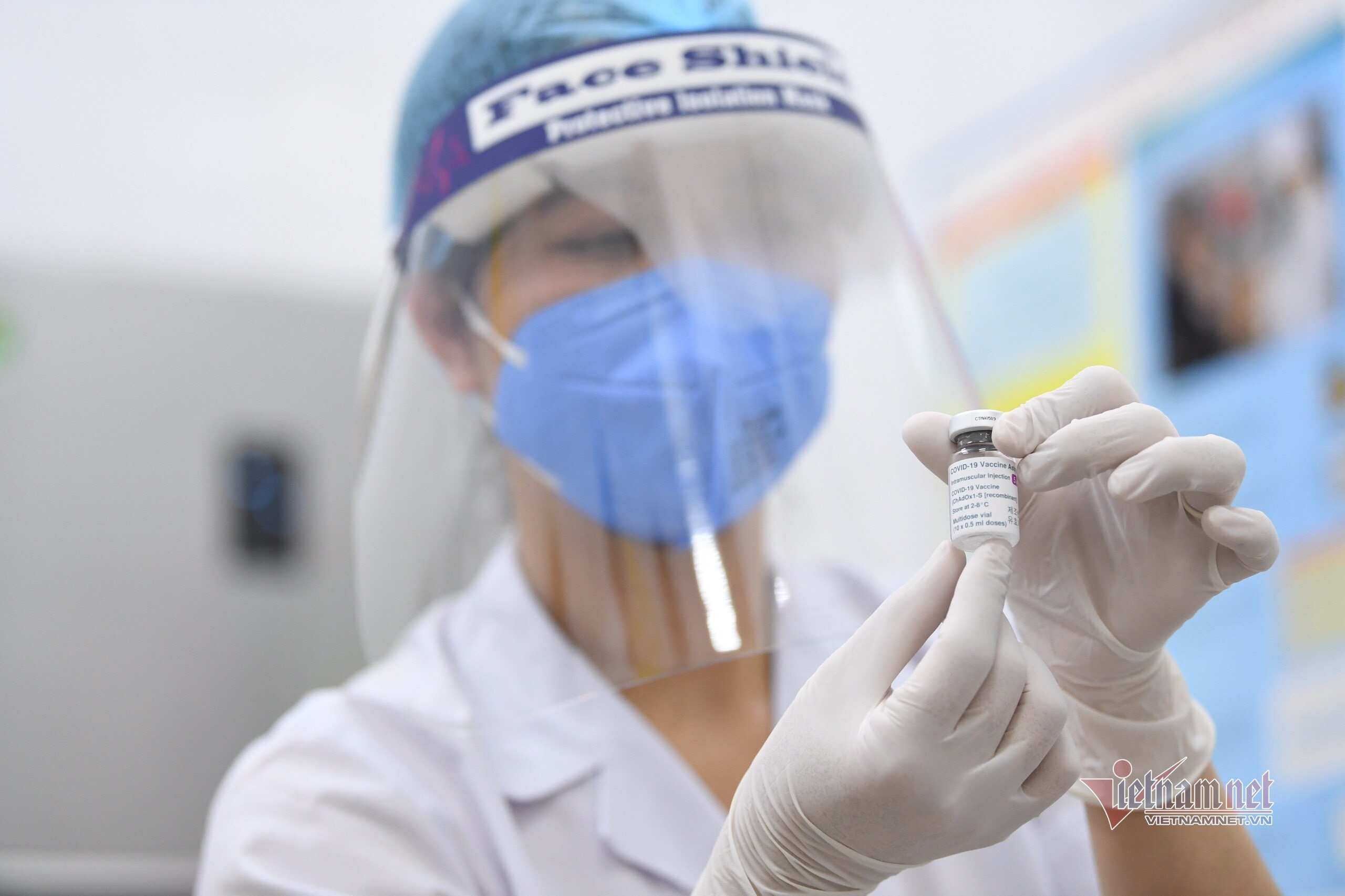
Từ đầu tháng 8 đến nay, số ca mắc mới đang có xu hướng tăng dần với các biến thể phụ mới của chủng Omicron (BA.4, BA.5, BA.2.75, BA.2.12.1) trung bình khoảng 2.000 ca/ngày,
From the beginning of August until now, the number of new cases has been on an increasing trend with new sub-variants of the Omicron strain (BA.4, BA.5, BA.2.75, BA.2.12.1) averaging about 2,000 cases. /day,
The Ministry of Health has just issued a document to diagnose and strengthen the management and treatment of Covid-19 cases. According to the document signed by Deputy Minister Nguyen Truong Son, on August 25, the whole country recorded 11,396,205 cases with over 10 million people recovered, 43,110 deaths. Since the beginning of 2022, the number of cases, severe and critical cases has decreased significantly.
However, from the beginning of August until now, the number of new cases is on an increasing trend with new sub-variants of the Omicron strain (BA.4, BA.5, BA.2.75, BA.2.12.1) on average. about 2,000 cases/day, the number of severe and critical cases increased and deaths appeared.
In order to reduce the risk of severe disease, minimize death and protect at-risk subjects, the Ministry of Health requested the Directors of Health Departments of provinces and cities, Directors of hospitals to review, evaluate and continue accelerate the implementation of some solutions.
That is to review the plan to collect and treat Covid-19 patients of the province and unit, have a plan to specifically assign to each unit the number of Covid-19 hospital beds to collect and treat specified patients. Hospitalization according to the 4 on-site rule. Allocate human resources to monitor, care for and treat hospitalized patients in order to detect the serious condition early and handle it promptly to limit death.
The ministry also asked to strengthen consultations at hospitals, consult with higher levels for professional advice, and minimize the transfer of patients to higher levels. For cases beyond their professional capacity, when transferring to a hospital, they must consult and contact a higher-level hospital before transferring and ensure the safety of the transferred patient.
At treatment facilities, strengthen measures to prevent infection, minimize the spread of disease in hospitals, especially strengthen the protection of patients in high-risk groups, intensive care and cardiovascular areas. , artificial kidney, surgery…
For severe cases, suspected cases of Covid-19 in hospitals, it is recommended to perform PCR test to diagnose to avoid missing cases to spread the disease (when rapid antigen test results are negative). but still suspected of Covid-19).
The ministry also requested provincial and last-line hospitals for Covid-19 treatment to monitor and clinically evaluate current hospitalized severe cases and send genetic sequencing tests to assess severity and criticality. report to the Ministry of Health for consideration and adjustment of professional guidelines.



Đăng nhận xét